
Body language plays a very important role in a job interview. Before you even say a single word your posture facial expressions and gestures already send a message. They show your confidence professionalism and personality. Many hiring managers form their first impression within a few seconds. That is why positive body language can greatly increase your chances of getting the job.

When you walk into the interview room stand straight and keep your shoulders relaxed. Good posture shows confidence and seriousness. Avoid stooping because it can make you look nervous or uninterested. Make gentle eye contact when you greet the interviewer. Eye contact shows honesty confidence and respect. Do not look too much but also do not keep looking down. Try to keep a natural balance.
Offer a kind smile when you meet the interviewer. A simple smile makes you look friendly calm and friendly. It also helps create a positive and comfortable environment. Your handshake should be firm but not too strong. A weak handshake may seem unsure while a very strong one may feel aggressive. A balanced handshake shows confidence.
While sitting keep your back straight and your feet flat on the floor. Avoid crossing your arms because it can look defensive. Keep your hands relaxed on your lap and on the table. Use natural hand gestures when you speak. Small and controlled gestures make your communication clear and engaging. Too many movements can look distracting.
Listen carefully and nod slightly when the interviewer speaks. This shows that you are attentive and interested in the conversation. Try to stay calm and breathe slowly. Even if you feel nervous keep your movements steady and controlled. Calm body language makes you appear prepared and confident.
In this guide you will learn ten important body language tips for job interviews. These tips will help you look confident calm and ready. Good body language can support your words and leave a strong positive impression on the interviewer.
- Maintain Good Pose
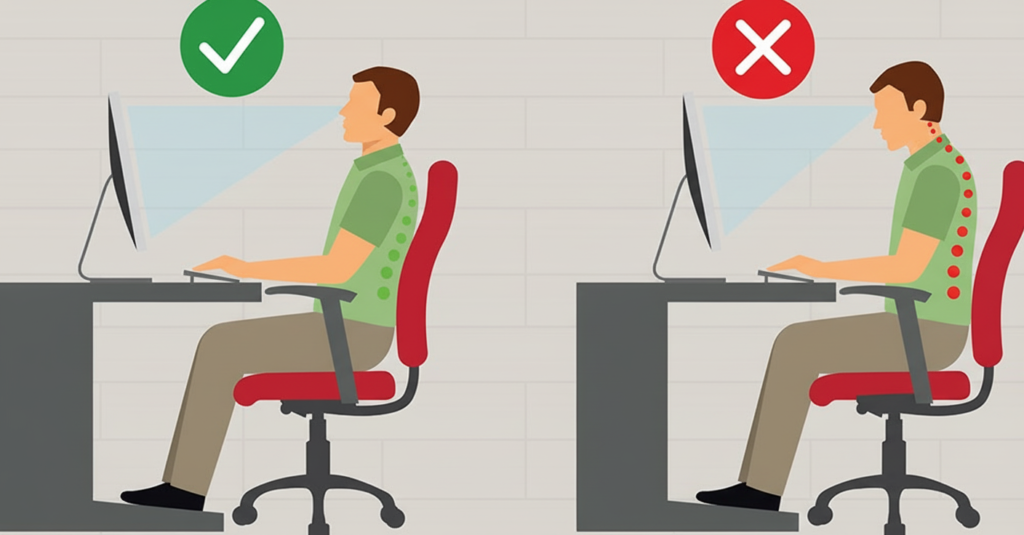
Sit up straight in your chair and keep your shoulders relaxed. Make sure your back is supported by the chair so you feel comfortable and steady. Good pose shows that you are confident, focused and professional. It makes a strong impression and shows that you are prepared for the interview and meeting.
Do not lean forward too much or slouch because this can make you look nervous and tired. Keep your hands relaxed on your lap and on the table and avoid fidgeting. Small changes in the way you sit can make a big difference in how others see you. Sitting straight helps you feel calm and in control. It also shows respect to the person you are talking to and helps you appear more confident and capable. Good pose is a simple but very powerful way to make a positive impression.
2. Offer a Firm Handshake

If the interview is in person greet the interviewer firmly but with a soft handshake. A weak handshake can give the impression of low confidence or uncertainty. On the other hand a handshake that is too strong may feel aggressive or uncomfortable.
The goal is to show confidence while remaining balanced and respectful. A handshake that is steady and natural communicates that you are professional and approachable. Combine this with eye contact and a polite smile to make a positive first impression. This simple gesture helps set the tone for the rest of the interview and shows that you are confident and prepared.
3. Make Natural Eye Contact
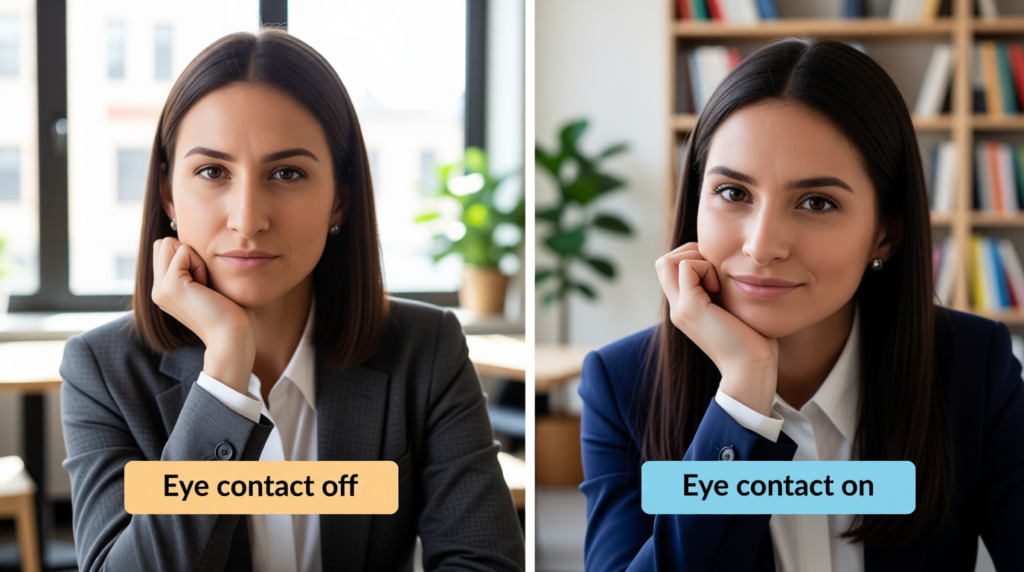
When you are talking to someone or listening to them it is very important to keep natural eye contact. Look at the person calmly and constantly without staring too hard. This kind of eye contact shows that you are honest, confident and paying full attention to the conversation. It helps people trust you and makes your communication more effective.
Do not stare too strongly at the person because it can make them feel uncomfortable. At the same time avoid looking away and focusing on random points in the room. This can make you seem distracted, nervous and not interested in the conversation.
Balanced eye contact is a simple way to show that you are focused and present. It shows that you care about what the other person is saying and that you are confident in yourself. During interviews, meetings and casual conversations steady and natural eye contact can create a positive impression. It makes you appear professional, calm and engaged while helping the other person feel respected and heard.
4. Smile Genuinely

A natural smile creates a positive first impression and makes you look approachable. Smiling gently shows that you are friendly, confident and open to conversation. During an interview smiling can also help reduce your own nervousness. It makes you feel more relaxed and calm while speaking and listening. A smile does not need to be overblown just a natural gentle smile is enough to make a strong impact.
Smiling shows comfort and confidence without saying a word. It helps build a connection with the other person and makes you appear professional yet approachable. Combined with good pose eye contact and a steady handshake a natural smile completes a confident and positive presence in any professional and personal interaction.
5. Avoid Crossing Your Arms

Crossed arms can give the impression of sensitivity and discomfort. To appear open and approachable keep your hands relaxed either on your lap and resting gently on the table in front of you. By keeping your hands visible and calm you show that you are attentive, confident and ready to communicate. This simple gesture helps the other person feel comfortable and makes you appear professional and engaged. Avoid fidgeting and hiding your hands as this can give the impression of nervousness and disinterest.
Relaxed hands combined with good pose, steady eye contact and a natural smile create a positive and balanced impression. They signal that you are open, focused and confident without needing to say anything. This is especially important during interviews.
6. Control Nervous Movements
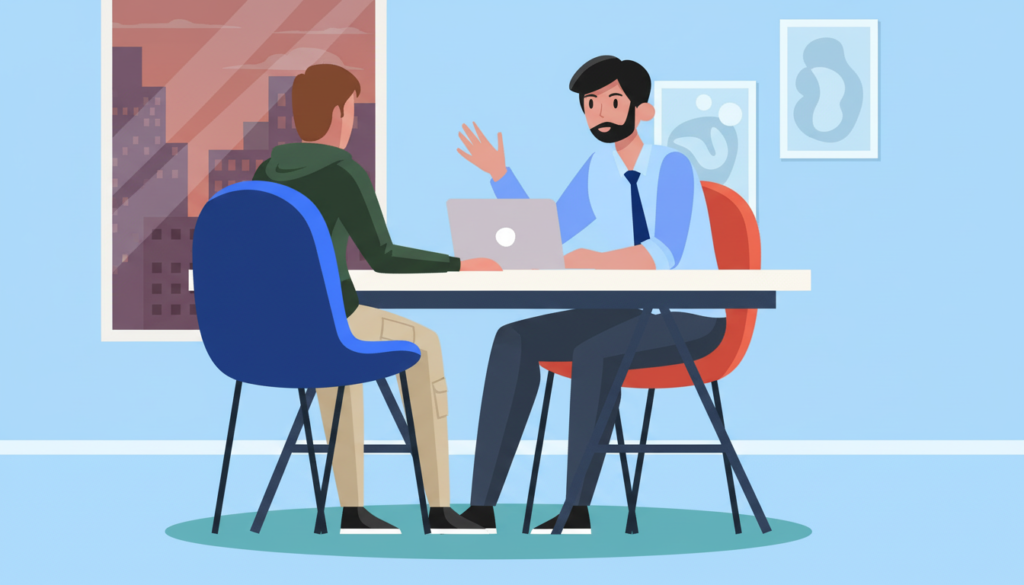
Avoid squirming with a pen, tapping your feet and playing with your hairs. These habits can distract the interviewer and show nervousness or lack of focus. Even small movements can give the impression that you are uncomfortable and not fully prepared. Instead practice staying calm and composed during conversations and interviews. Keep your hands relaxed on your lap and on the table and sit with good posture. Take slow steady breaths to help control any nervous energy.
Remaining calm and still shows confidence and professionalism. It also allows you to focus on what is being said and respond thoughtfully. By controlling small nervous habits, you appear more attentive, relaxed and in control. With practice staying composed becomes natural and helps you make a strong and positive impression on anyone you speak with.
7. Use Hand Gestures Naturally
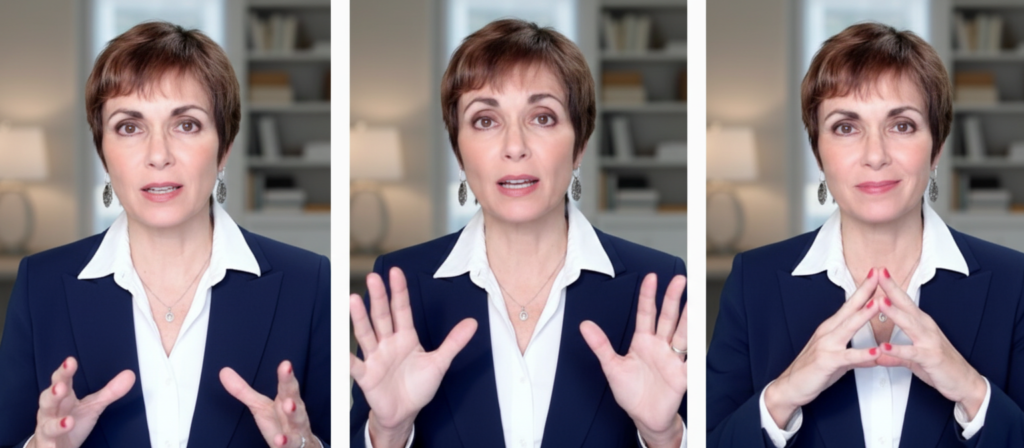
When you talk move your hands a little to show your points. Small hand movements make you look confident and careful. Do not move your hands too much and too fast. Big or sudden gestures can distract people and make you seem nervous. Gentle and small movements are enough to show your ideas clearly.
Using your hands naturally while speaking helps you look calm and confident. Along with sitting straight, looking at the person and speaking slowly small hand gestures make your words clear and easy to understand. They support what you are saying without taking attention away from your message.
8. Lean Slightly Forward
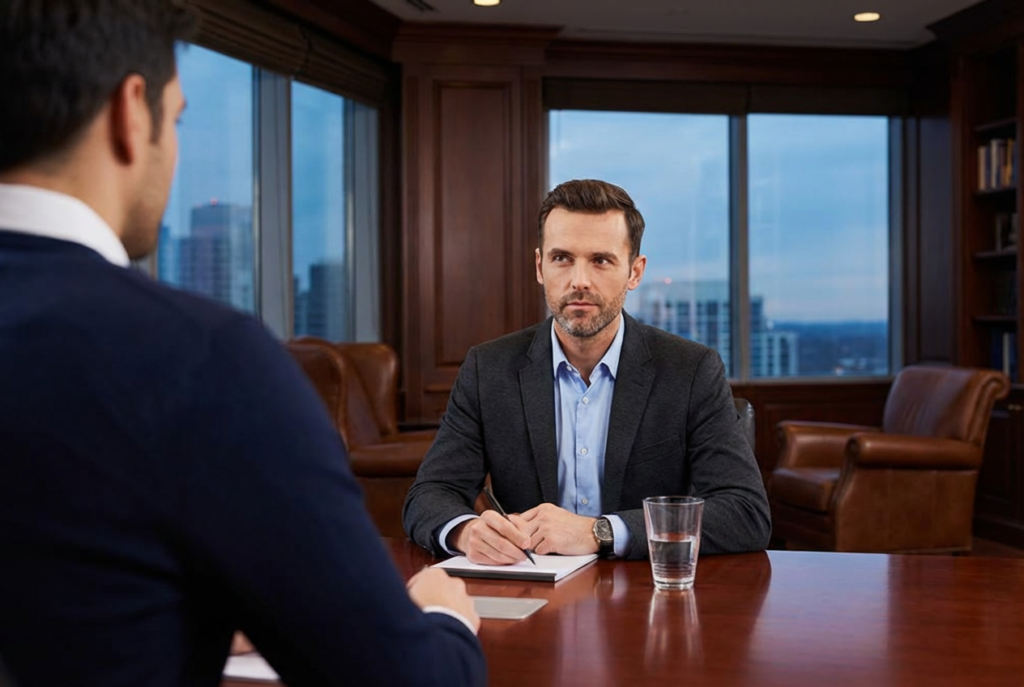
When the interviewer is speaking leaning forward slightly shows that you are interested and actively listening. A small forward movement makes you appear attentive and engaged in the conversation. Do not lean too close because this can feel intrusive or uncomfortable for the other person. Just a natural lean is enough to show that you are focused and involved.
By leaning a little while listening you show respect and interest without crossing personal boundaries. Combined with good eye contact a calm posture and relaxed hands this small gesture helps create a positive and professional impression during any conversation or interview.
9. Nod to Show Understanding
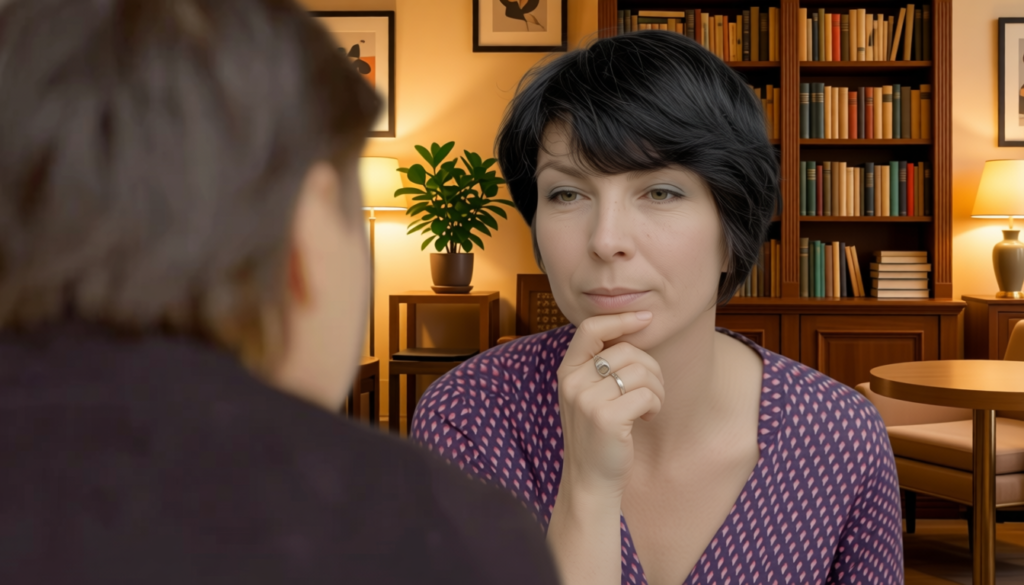
Nodding your head sometimes while someone is talking shows that you are listening and understanding them. A small nod tells the other person that you are paying attention and following what they are saying. This simple action also shows that you are interested and involved in the conversation. It can show agreement and understanding without interrupting the speaker.
When you nod naturally, you look calm, friendly and respectful. Together with looking at the person, sitting straight and keeping your hands relaxed small nods make a good impression and show that you are focused on the talk.
10. Exit with Confidence

When the interview ends stand up calmly and naturally. Smile maintain eye contact and thank the interviewer politely for their time. Do not rush to leave take a moment to show confidence and respect. Leaving the room with a steady and calm pose gives a strong final impression. Your last impression is just as important as your first. A calm confident exit shows professionalism and leaves the interviewer with a positive memory of you.
Final Thoughts
Having strong body language during a job interview can greatly improve your chances of success. The interviewer is not just looking at your skills but also noticing your confidence, communication style and professionalism. Maintaining good pose, making steady eye contact, controlling nervous habits and showing positive energy can leave a lasting impression. When you use body language effectively it shows that you are calm, confident and fully engaged.