
In this complete post you will learn what a sitemap is. Why it is important for SEO, and how a sitemap generator can help improve your website visibility.
What Is a Sitemap?
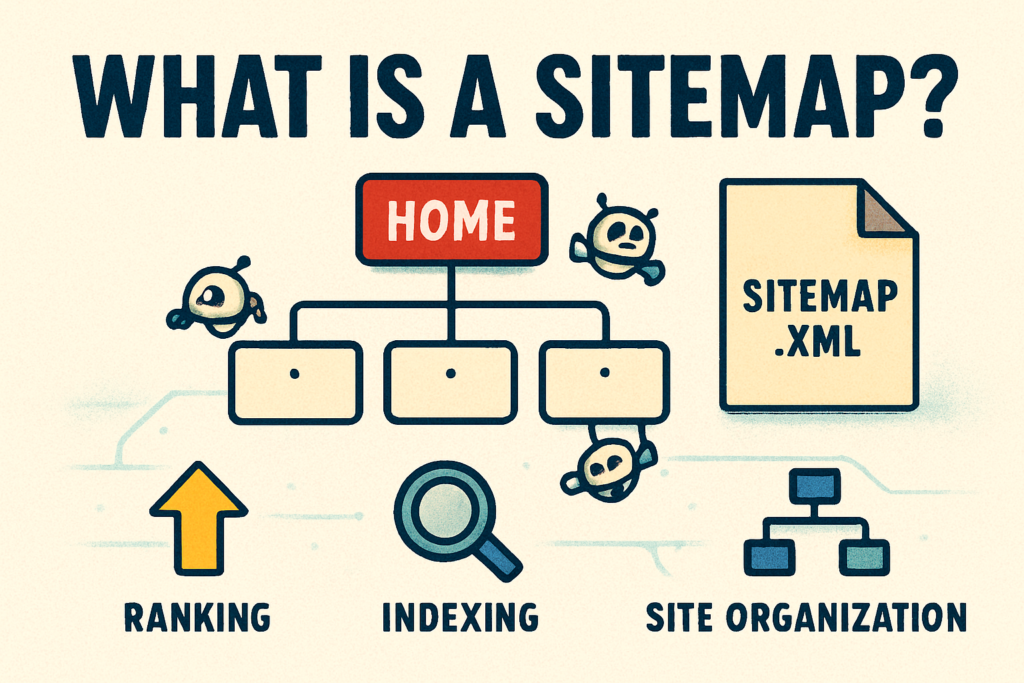
A sitemap is a file that lists all important pages of your website in an organised way. It works like a road map that helps search engines crawl your content more effectively.
What Is a Sitemap Generator?
A sitemap generator is an online tool that automatically scans your website and creates a sitemap file usually in XML format without manual coding.
- Crawls your pages
- Collects all URLs
- Organizes them properly
Types of Sitemaps
- XML Sitemap
- HTML Sitemap
- Media Sitemaps
Who Should Use a Sitemap Generator?
- Bloggers
- Business websites
- E-commerce stores
- SEO professionals
- Developers
- Content publishers
How to Use a Sitemap Generator
- Open a Sitemap Generator tool
- Enter your website URL
- Start the crawl
- Wait for the pages to be scanned
- Generate the sitemap file
- Download the XML sitemap
- Upload it to your site root
- Submit it in Google Search Console
Common Mistakes to Avoid
- Including noindex pages
- Adding redirected URLs
- Forgetting to update sitemap
- Submitting empty sitemap
- Including blocked pages
Final Words
A sitemap generator is an important SEO tool that helps search engines crawl and index your website more effectively. It saves time reduces technical errors and ensures that your important pages are discovered. Whether your site is new or established creating and submitting a sitemap is a great SEO step.