Why Aren’t You Getting Interviews 10 Resume Mistakes to Fix Now
You’ve applied to 30 jobs. Your inbox? Silent. Before you blame the job market, take a hard look at your resume. The truth is, 10 common resume mistakes could be silently sabotaging your chances. Recruiters spend just seconds scanning each application—and these resume mistakes that cost interviews are easier to fix than you think.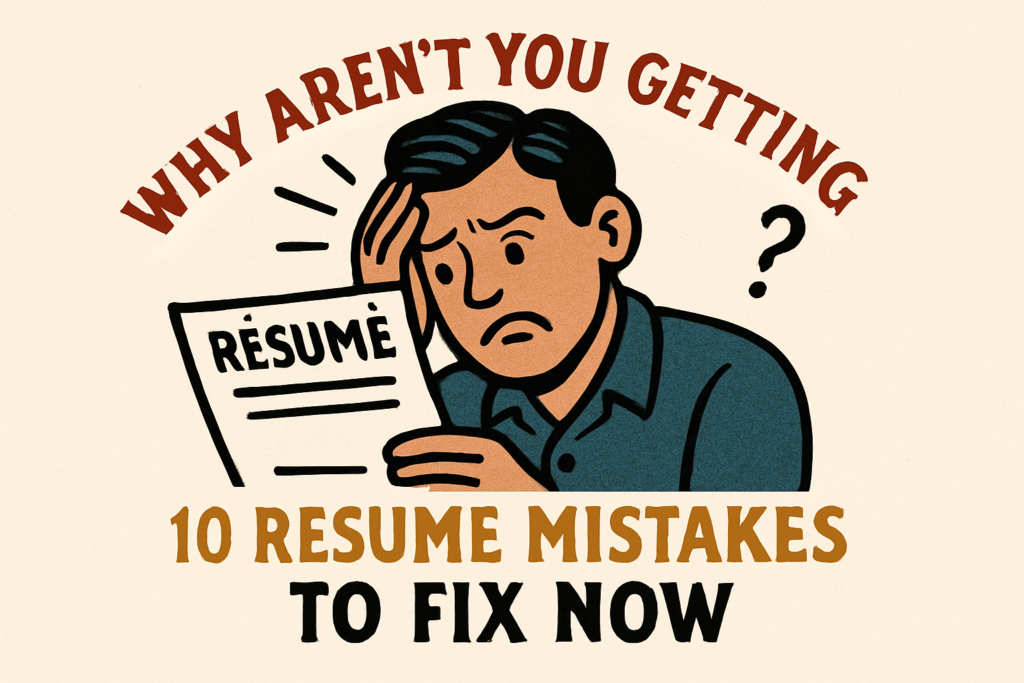
Mistake #1: Spelling and Grammar Errors That Scream “Careless”
Spelling and grammar errors might Look small, but they send a loud message: you didn’t pay attention. Whether it’s a resume, school assignment, email, or website content, these tiny mistakes can instantly reduce your credibility. Many hiring managers say small spelling or typing mistakes are one of the biggest reasons people don’t get called for interviews. Even tiny errors can make a bad first impression. Let’s look at why this is so important.
Why This Mistake Hurts You (Attention to Detail)
Spelling and grammar mistakes can make it look like you don’t pay attention to details. Many employers, teachers, and clients judge your professionalism by how well you write. If your resume says “Manger” instead of “Manager” or “Costumer Service” instead of “Customer Service,” it can make employers wonder: Are you careless with important work? Do you rush and miss small details? Can you communicate clearly? When there are many people applying for the same job, even one small mistake can be enough for your resume to be rejected. Paying attention to details shows that you are responsible and careful. Mistakes can suggest the opposite.
Real-Life Examples of Typos That Changed the Meaning
Small mistakes can cause big confusion — and sometimes serious embarrassment.
Example 1: The Missing Comma
“Let’s eat kids.”
“Let’s eat, kids.”
Just one comma completely changes the meaning.
Example 2: Using the Wrong Word
“Our company values pubic relations.”
It should say “public relations.”
One missing letter changes the whole message and can look very unprofessional.
Example 3: A Pricing Mistake
A company once listed a product for $5 instead of $50 because they forgot a zero.
That small mistake cost them thousands of dollars before they fixed it.
These examples show how even a tiny typo can hurt your image, confuse people, or cause financial problems.
How to Fix It: Use Proofreading Tools and Careful Review
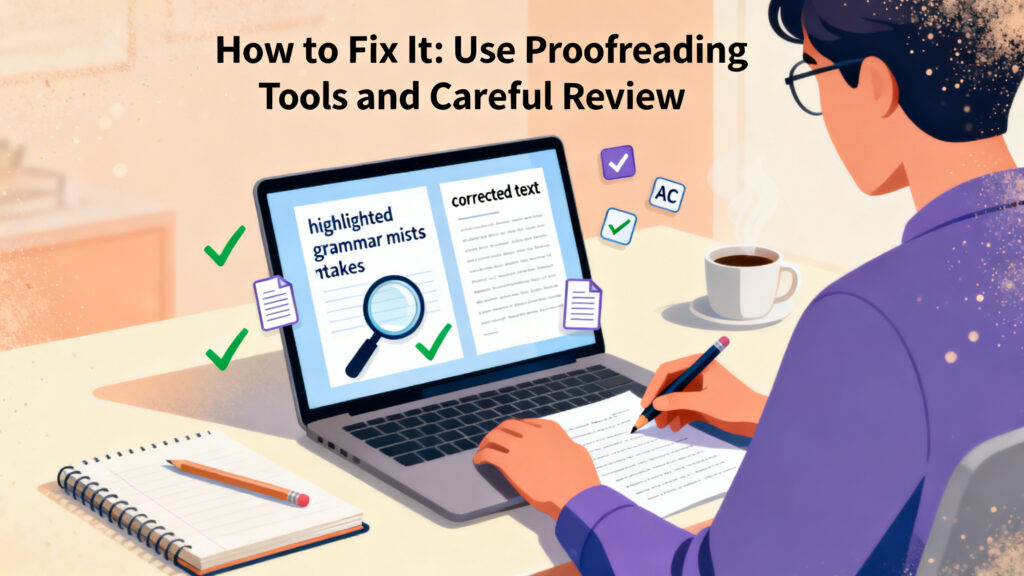
The best way to avoid mistakes is to use technology carefully and also check your work yourself. Both steps are important. If you only depend on tools you may still miss some errors. If you only read it yourself you might overlook small spelling problems. So it is better to use both methods together.
Step One: Use Proofreading Tools
Online grammar and spelling tools can help you find mistakes quickly. They can catch spelling errors that you did not notice. They can point out basic grammar mistakes. They can also show repeated words and writing problems.These tools are fast and helpful. They save time and make your writing look better. But remember they are not perfect. Sometimes they miss errors. Sometimes they suggest changes that are not correct for your sentence. That is why you should not rely on them completely.
Step Two: Review Your Work Yourself
After using a tool always read your work carefully on your own. Read slowly and pay attention to each sentence. Check names dates and numbers two times to make sure they are correct. Small mistakes in names or numbers can cause big problems. Pay special attention to commonly confused words. For example words that sound similar but have different meanings. These mistakes are easy to miss. Also check your headings and bullet points separately. Make sure everything is clear and written in the same style.
Human review is very important because it helps you catch tone and meaning mistakes. Tools often miss problems related to context. A sentence may be properly correct but still sound strange. When you read it yourself you can feel if something does not sound right.
Quick Tip: Read Backwards
One useful trick that professional editors use is reading from the last sentence to the first. This may feel unusual at first but it really works. When you read backwards your brain stops focusing on the full meaning and starts focusing on individual words. This makes it easier to spot spelling and grammar mistakes.
Final Thoughts
Spelling and grammar mistakes do not just look bad. They can make you appear careless. In professional situations this can affect your reputation and opportunities.
Take a few extra minutes to proofread your work carefully. This small effort can make a big difference in how people see you and your work. Clear and correct writing always creates a strong and positive impression.