
Writing a strong resume is the most important step toward landing your dream job. Many candidates focus only on what to include but it is equally important to know what not to put in your resume. Adding incorrect or unnecessary information can make you appear unprofessional, careless and even unqualified.
In this complete guide we will cover 10 things you should never include in your work experience section. You will learn why these details can hurt your chances of getting hired and what to include instead to make your resume stronger and more effective. By avoiding common mistakes you can keep your resume clear, professional and focused on your real skills and achievements. This guide will help you create a polished resume that leaves a positive impression on hiring managers improves your chances of getting interviews and moves you closer to your dream job.
Following these tips ensures your resume highlights your strengths, shows professionalism and avoids unnecessary or harmful details that can reduce your opportunities.
1. Irrelevant Work Experience

Avoid creating a list of jobs or experiences that have no connection to the position you are applying for. Including irrelevant work especially if it was short term and outdated can distract the recruiter and weaken your application. Focus only on experiences that show skills, achievements or responsibilities related to the role you want. Irrelevant jobs can make your resume longer without adding value and may even give the impression that you are unfocused or unprepared.
Instead highlight positions where you gained skills or achieved results that matter to the employer. By keeping your work experience relevant, your resume becomes clear, professional and persuasive. This increases your chances of being noticed and considered for the role you are applying for.
2. Personal Information (Too Much Detail)

You should never include unnecessary personal details in your resume such as your age or date of birth, marital status, religion, national ID number and full home address.
These details are not related to your qualifications or skills and can create privacy or security risks. Including them does not help your chances of getting hired and may even lead to bias. Focus only on information that shows your experience, skills and achievements relevant to the job. Keeping your resume professional and free of unrelated personal details protects your privacy presents you as a serious candidate and ensures that hiring managers focus on your abilities and qualifications rather than private information.
3. Salary History or Expectations

Do not mention your previous salary and expected salary in your resume unless the employer specifically asks for it. Discussing salary too early can distract from your skills and qualifications. Salary conversations should happen later in the hiring process, usually during the interview and when an offer is being made. Focus your resume on your experience, achievements and abilities that make you the best candidate for the role.
By leaving out salary details you keep the attention on your professional value and avoid any premature discussions that might affect your chances. This approach makes your resume more professional and increases your opportunity to negotiate salary at the right time.
4. Unprofessional Email Address
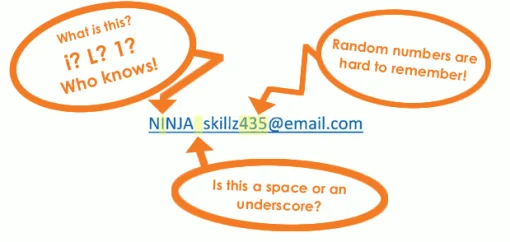
Your email address should look professional. Use a simple format that clearly shows your name and avoid nicknames, slang or unrelated words. A professional email creates a good first impression and shows that you are serious about the job. It makes it easy for employers to contact you and helps you appear organised and reliable.
For example an email like yourname@example.com is much better than funnick123@example.com. Keeping your email professional is a small but important step in making your resume and application look polished and credible.
5. Lies or Exaggerations

Never lie about your experience, education and skills. Employers often verify your background and check references to confirm the information on your resume. If you are caught providing false information you could lose the job offer. In some cases it can even damage your professional reputation permanently. Being dishonest raises doubts about your trustworthiness and reliability.
Always be honest and accurate when describing your qualifications. Highlight your real achievements, skills and experiences. This builds credibility and shows that you are a responsible and professional candidate. Honesty increases your chances of being trusted and hired while false information can have serious long term consequences.
6. Long Paragraphs
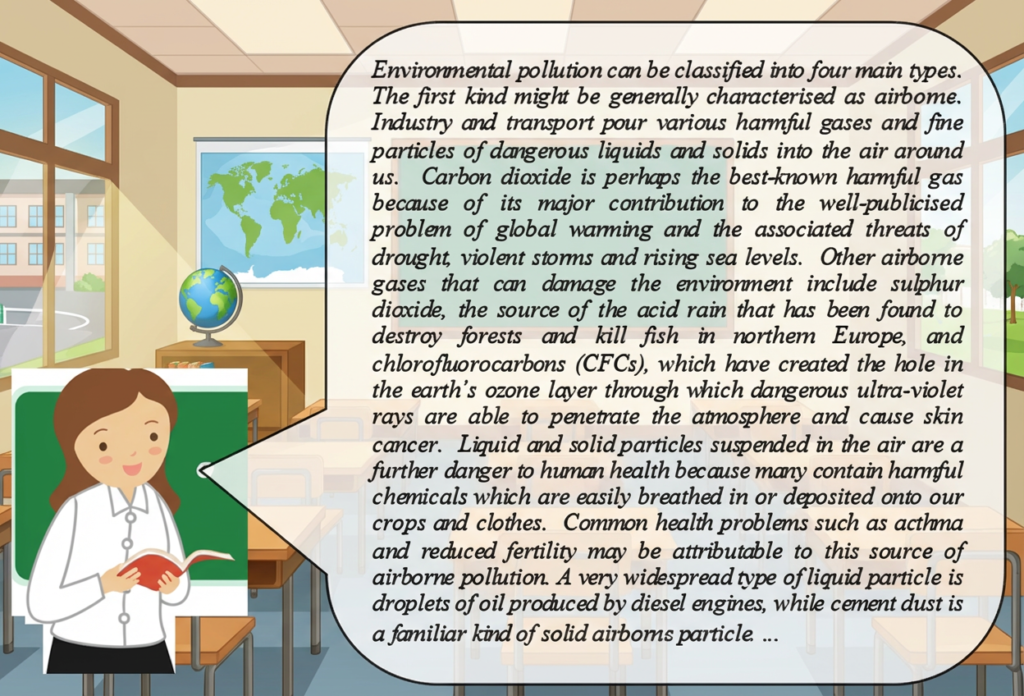
Avoid writing long paragraphs in your resume. Employers prefer bullet points because they are easy to scan quickly and highlight key information. Use short clear bullet points to describe your experience, skills and achievements. Each point should focus on one idea and be easy to read. This helps recruiters quickly understand your qualifications without having to read long blocks of text.
7. References
You do not need to include references directly in your work experience section. Writing “References available upon request” is unnecessary and takes up space on your resume. Employers already know that they can ask for references if they need them. Including them in advance does not add value and can make your resume longer without reason.
Focus instead on highlighting your skills, achievements and relevant experience. Keep your resume clear, professional and concise. If the employer wants references, they will request them at the appropriate stage of the hiring process. This keeps your resume focused on your qualifications and makes it more effective.
8.Negative Comments About Past Employers

Never mention disputes, complaints or negative experiences from your previous jobs. Your work experience section should reflect your professional skills and positive achievements. Focus on successes, accomplishments and growth in each role. Highlight the tasks you performed well, goals you achieved and any improvements or contributions you made. This shows your abilities and professionalism.
By keeping your resume positive and achievement focused you create a strong impression. Employers are more interested in what you can do and the value you bring rather than past problems or conflicts. A clear positive presentation of your experience increases your chances of being considered for the role.
9. Too Many Skills
Listing every skill you have ever learned can make your resume messy and hard to read. Only include skills that are important for the job you are applying for. Too many unrelated skills can distract the employer and hide your main strengths.
Keep your skills list short, clear and focused on what matters for the role. This makes your resume easy to read and shows that you understand the job requirements. Highlighting the right skills helps you look professional and capable and gives the employer a clear idea of what you can do.
10. Photos
Do not include a photo in your resume unless the job specifically asks for one, such as modelling, acting or other roles where a picture is required. In most cases adding a photo can create bias and is not necessary for professional roles. It can distract from your skills, experience and achievements which are more important to employers.
Final Thoughts
Your resume is your personal marketing document. Keeping it clean, professional and relevant increases your chances of being shortlisted for a job. Avoiding the 10 common mistakes in resumes will help you make a strong impression and move one step closer to landing your desired position.
Remember a resume should be concise, focused and tailored to the job. Do not include personal details and unnecessary information. Highlight only your relevant skills and achievements. A clear and well organised resume shows professionalism and makes it easier for employers to see your strengths.